
NORSE GODS by Tyr Neilsen
/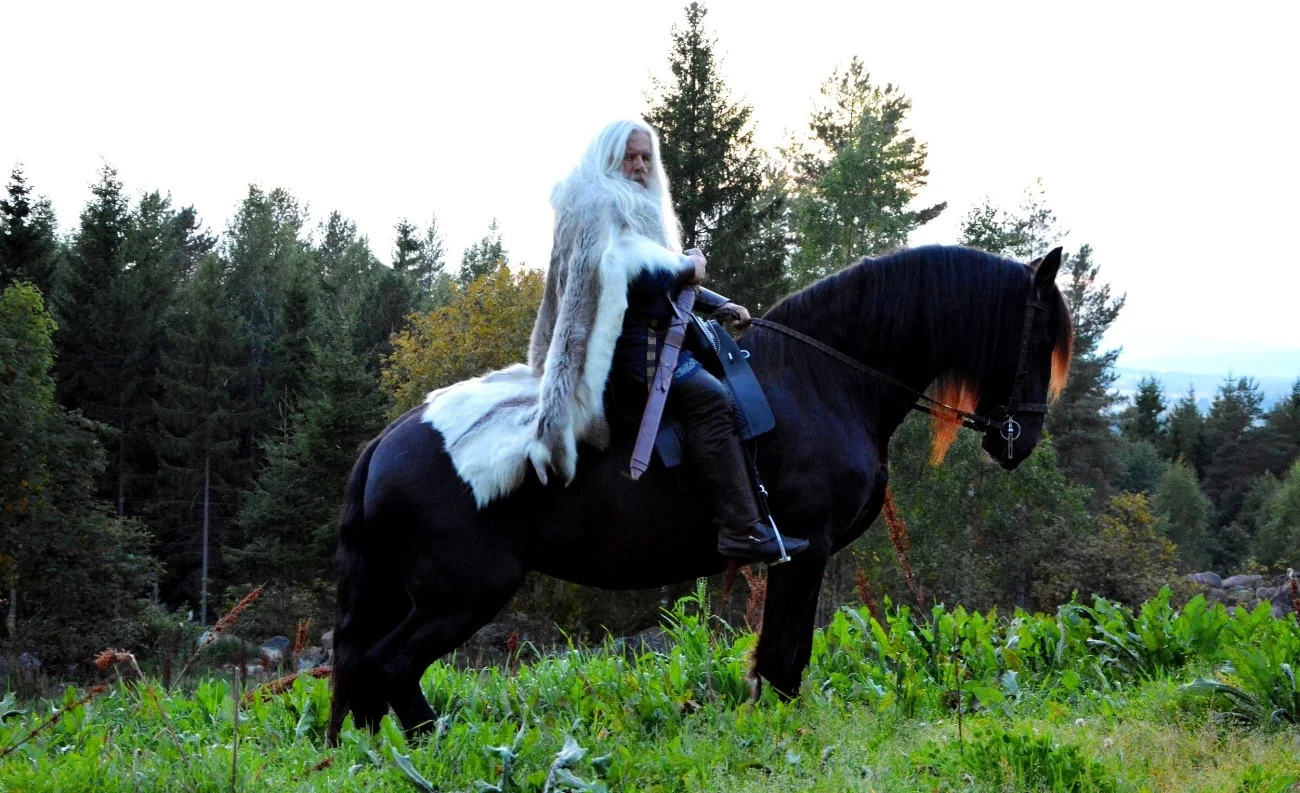
oDIN AND SLEIPNER
Norse Mythology is a representation of Viking Age Scandinavian people's collective understanding of the universe, nature, history, customs, culture and spirituality. It is their collection of sacred stories, passed down from generation to generation, for over a thousand years.
The mythology of the Vikings is full of powerful gods and goddesses, sacred dieties that are heightened versions of the individuals who worshipped them. Most of the Norse gods and godesses are fertility beings, who are strong, passionate, brutal, committed, vengeful, lusty, courageous, crafty, and imbued with a dark sense of humor. Virile qualities that were valued by the Vikings, and woven into their daily lives as part of everything they were.
The most powerful Norse god is Odin, the Allfather of the Universe and ruler of the Æsir, the main gods in Norse mythology. Odin reigns in Asgard, from Old Norse Ásgarðr, meaning "Enclosure of the Æsir". Odin’s grandfather Buri was created by the primeval cow Audhumbla, who is the origin of the Æsir gods. Odin’s parents are Bestlaand Bor, and he has two brothers, Vili and Ve. These three brothers are the first Æsir gods. Together they killed the giant Ymir and created the visible world from his body. The brothers also created the first human couple, Askand Embla out of two logs that drifted by. The Allfather then gave both Ask and Embla a heart and soul.
The Norse God Odin has had many relationships with different women. With the goddess Fjörgyn, Odin has a son, Thor. With a Jotun woman called Grid, Odin has a son, Víðarr. With the goddess Rid, Odin has a son Váli, and it is possible that he also had sons Hermód and Höd with unknown mothers. Odin is married to the goddess Frigg, and together they have a son Baldr.
Odin is the Viking god of war, death and wisdom. His hall is the largest and most majestic of all the gods halls, and is called Valhalla, from Old Norse Valhöll, meaning "Hall of the slain". Odin's home is Valaskjálf, meaning "Shelf of the slain". Here, Odin has a throne called Hliðskjálf, which means "Mountain shelf". From this throne, Odin can looks over all the realms of the universe, and this world to see what people do.
As the most important Norse god of war, and the one who brings victory, Odin uses trickery and deception to defeat opponents and reach his goal. The Allfather has a spear called Gungnir, meaning "swaying one" in Old Norse ". Gungnir can hit any target, and was thrown over the heads of an opposing army to start the battle. Odin receives half of those who have fallen in battle. These Viking warriors become Einherjar and will fight beside Odin against evil at Ragnarok. In Old Norse Ragnarök means "Fate of the Gods" or "Twilight of the Gods".
Odin has many animals around him. His horse Sleipnir, mean "Slippy" in Old Norse, and is untamable and the fastest of all horses. Sleipner has eight legs, can run over land, water, mountains and in the air, and can navigate through the worlds. The Allfather has two wolves, Geri and Freki, meaning "the ravenous" and "greedy one" in Old Norse. These wolves sit in front of his throne in Valhalla. The Prose Edda refers to Odin as "raven-god" due to his association with his two ravens, Huginn, meaning "thought" or "conciousness", and Muninn, meaning "memory" or "mind". These two ravens fly all over Midgard, the realm of humans, and bring information to Odin, according to the 13th century Poetic Edda.
Odin has a voracious for wisdom, and in his insatiable search for knowledge, Odin sacrificed one of his eyes to drink from Mímisbrunnr, meaning "Mímir's well" in Old Norse. Odin also hanged himself for nine nights from the world tree Yggdrasil to recieve understanding, rune secrets and knowledge. Odin has great magic and is the Norse god of spells.
Odin often travels to Midgard, and walks among the people. Here he gave the gift of the runes to humans, and through Hávamál, Odin gave good advice on how people should live their lives, both physically and metaphysically. The Allfather has been worshiped by people since the migration period, and the ruling class were probably those who worshiped Odin most. The Allfather was both generous and cruel, and however people sacrificed to Odin and got his blessing, they never knew how the outcome would be, because in the middle of a situation, Odin could change his mind. In the Younger Edda, Snorri Sturluson describes Odin as the ancestor of the Royal lineage in Scandinavia.
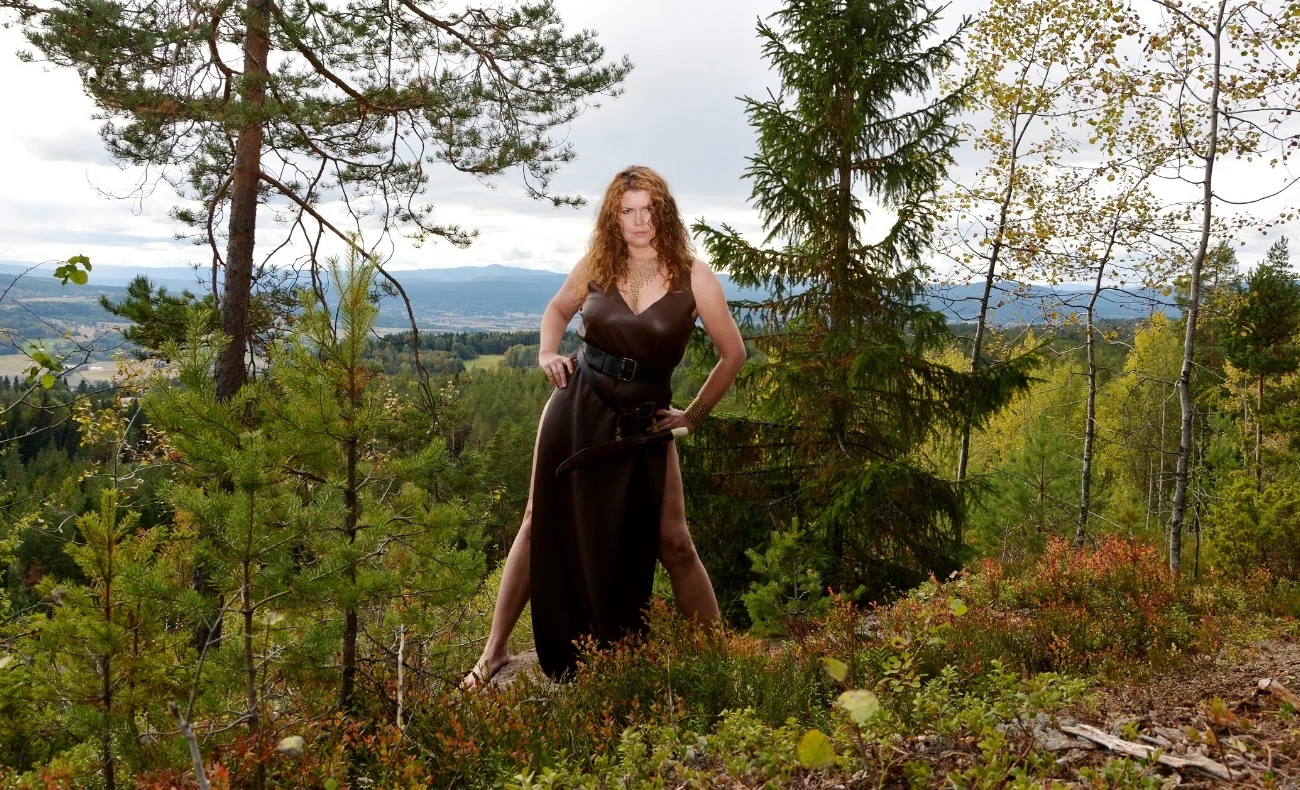
Fjorgyn
